Why Do My Gynaecological Symptoms Keep Coming Back?
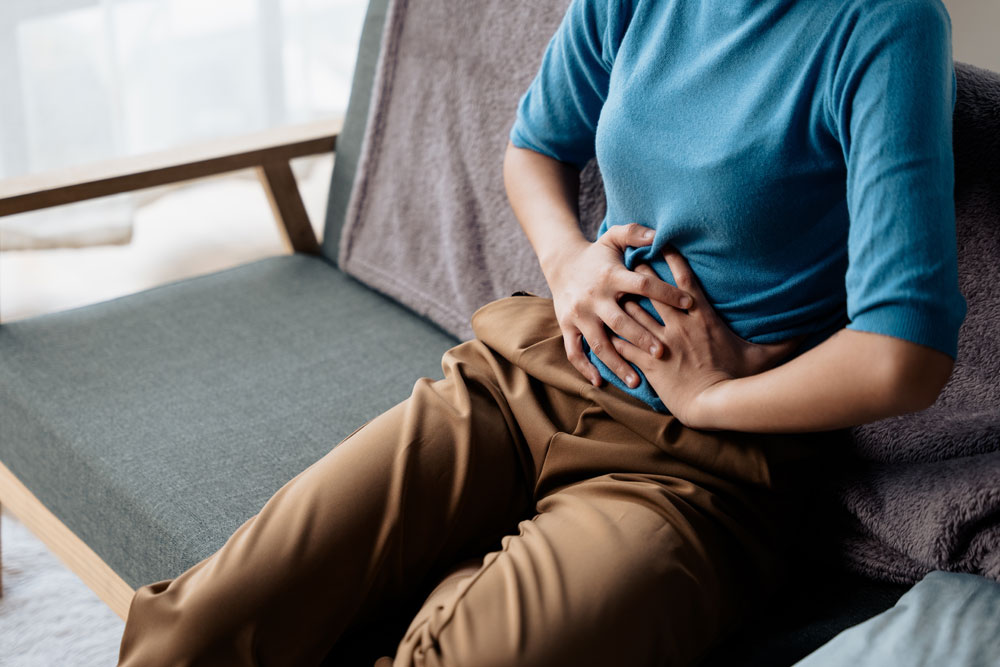

When a gynaecological symptom settles, it can be tempting to assume that the problem has resolved. If it returns weeks or months later, you may still put off seeing a doctor, particularly when the discomfort remains manageable or does not interfere significantly with daily life.
However, symptoms do not need to become severe before they are worth investigating. Repeated episodes can provide useful information about what may be happening and whether further assessment is appropriate.
Why Do Gynaecological Symptoms Return?
Recurring symptoms can have several explanations. Some gynaecological conditions naturally cause symptoms that fluctuate, while hormonal changes can make certain problems more noticeable at particular points in your menstrual cycle.
In other cases, treatment may have relieved the symptom without addressing its underlying cause. A previous condition may also persist, recur or change over time.
This is why the return of a symptom does not necessarily mean that your previous treatment was unsuccessful. What matters is understanding why it is happening again.
Which Recurring Symptoms Should You Pay Attention To?
A symptom that comes and goes can still be clinically relevant. Keeping track of when it occurs and whether it is changing can help your gynaecologist assess the possible cause.
Symptoms worth discussing include:
- Pelvic pain or pressure that repeatedly returns
- Bleeding or spotting between periods
- Periods that become repeatedly heavy or prolonged
- Pain that follows a recurring pattern around menstruation
- Persistent or recurrent vaginal discharge that is unusual in colour, smell, etc.
- Bloating or a sensation of pelvic fullness that keeps returning
- Pain during sexual intercourse
- Menstrual changes that continue over several cycles
The significance of these symptoms depends on your age, menstrual history, reproductive stage and other clinical factors rather than any one symptom alone.
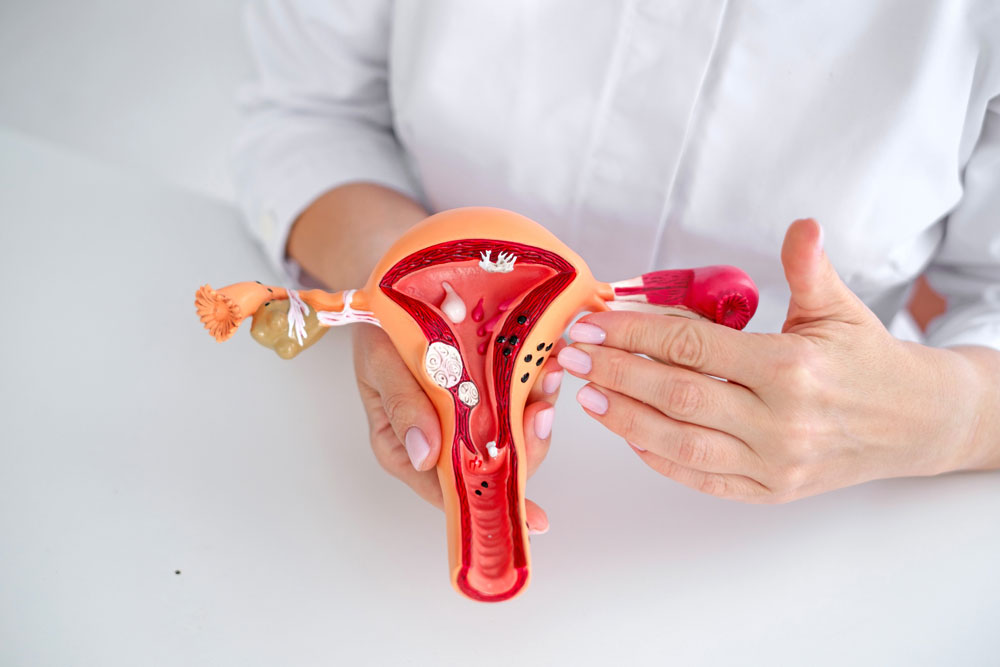
Gynaecological Conditions Linked to Recurring Symptoms
Several conditions can cause symptoms that improve temporarily before returning.
-
Endometriosis
Endometriosis can cause pelvic pain that is often associated with the menstrual cycle, although symptoms can vary between individuals. Pelvic pain may become more noticeable before or during your period and can recur from month to month. Some women also experience pain during intercourse or ongoing pelvic discomfort.
-
Fibroids
Fibroids can be associated with heavy periods, pelvic pressure, bloating and urinary symptoms. The symptoms you experience can change depending on the size, number and location of the fibroids.
-
Ovarian Cysts
Many ovarian cysts do not cause symptoms and may resolve without treatment. Others may persist or require monitoring depending on their type, size and appearance. When symptoms do occur, they may include pelvic discomfort, bloating or a feeling of pressure.
Other causes are also possible, which is why recurrent symptoms should not be attributed to a particular condition without appropriate assessment.
[H2] When Should You See a Gynaecologist for Recurring Symptoms?
You do not need to wait until symptoms become severe before arranging an assessment. Recurrence itself can be relevant, particularly when a symptom begins happening more often, lasts longer, becomes more intense or differs from its previous pattern.
It is particularly worth arranging an appointment when:
- The same symptom keeps returning over several weeks or menstrual cycles
- Your symptoms become more frequent or persistent
- Bleeding becomes heavier, longer or occurs unexpectedly
- Pelvic pain begins affecting your usual activities
- New symptoms develop alongside an existing concern
- Previous treatment is no longer controlling your symptoms
[H2] When Recurring Symptoms Should Be Assessed
When symptoms keep returning, having a clearer understanding of what is happening can help you make informed decisions about your health. Even when they remain manageable, recurring changes are worth discussing rather than simply becoming something you learn to live with.
At S L Goh Women's Clinic in Singapore, women looking for a female gynae can consult Senior Consultant Obstetrician and Gynaecologist Dr Goh Shen Li for personalised assessment and care. If you have concerns about symptoms that keep returning, schedule a consultation to discuss them with Dr Goh and determine the appropriate next steps.
FAQs About Recurring Gynaecological Symptoms
Can stress cause gynaecological symptoms to come and go?
Stress can affect the menstrual cycle and may contribute to changes in cycle timing or menstrual symptoms. However, recurrent symptoms should not automatically be attributed to stress without considering other possible causes.
Can recurring symptoms affect fertility?
Some conditions associated with recurring gynaecological symptoms, including endometriosis and certain fibroids, may affect fertility in some women. Having recurring symptoms does not necessarily mean you will have difficulty conceiving, but assessment can clarify whether further investigation is needed.
Can recurring symptoms be related to perimenopause?
Yes. Hormonal changes during perimenopause can affect the timing, frequency and flow of your periods, and may be accompanied by other changes. However, new or unusual bleeding should not automatically be assumed to be part of perimenopause.
Can contraception change gynaecological symptoms?
Yes. Hormonal contraception can affect menstrual bleeding, cramping and other cycle-related symptoms, particularly when you start, stop or change methods. If changes persist or become troublesome, your gynaecologist can assess whether contraception may be contributing.
Meet Our Female Gynaecologist in Singapore
Dr Goh Shen Li
Senior Consultant Female Gynaecologist & Obstetrician
MBBS, FAMS (Singapore), FRCOG (London)
Dr Goh Shen Li is a senior consultant obstetrician and gynaecologist with extensive clinical experience in women's health. She previously practised at KK Women's and Children's Hospital for 15 years, where she served as Deputy Head of the Department of Obstetrics and Gynaecology. She is a Fellow of both the Royal College of Obstetricians and Gynaecologists (UK) and the Academy of Medicine (Singapore). She is also recognised for her expertise in managing a wide range of obstetric and gynaecological conditions.
Dr Goh has received multiple national awards for excellence in patient care, reflecting her commitment to delivering high-quality, patient-centred treatment. In addition to her clinical work, she has contributed significantly to medical education and specialist training, holding academic appointments and mentoring future doctors.